
How Veteran Adam Jeter Found Hope Through PATHH
When the War Comes Home
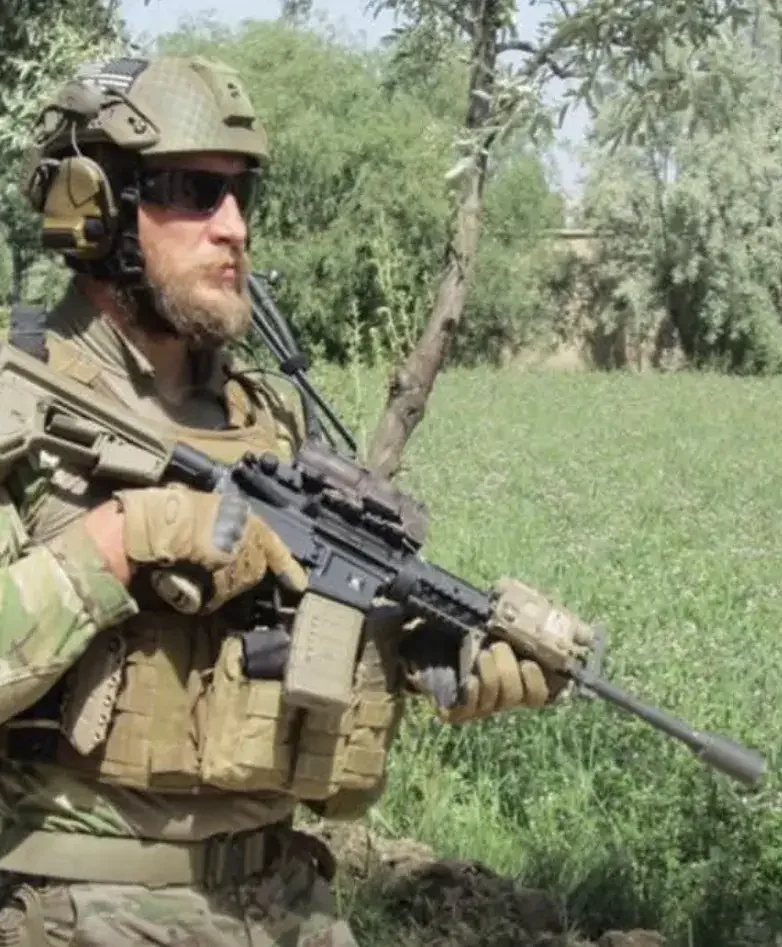
For Adam Jeter, service was more than a job. It was a commitment that spanned 22 years across two branches of the military—the United States Marine Corps and the U.S. Army.
Throughout his career, Adam served in multiple roles including Personnel Clerk, Infantryman, Cavalry Scout, and Civil Affairs specialist. Each role demanded adaptability and resilience, but nothing would challenge him more than what he experienced during a deployment to Iraq in 2006.
Assigned to 5/73 Cavalry, 82nd Airborne Division, Adam deployed to Diyala Province, one of the most volatile regions during the height of the war.
What followed became the most brutal deployment of his career.
A Deployment Marked by Loss
Combat operations in Diyala Province were relentless.
During that deployment, Adam and the soldiers beside him endured devastating losses. More than 22 of his brothers were killed. Another 113 were wounded.
The violence of the battlefield left its mark on the entire unit.
Adam himself survived multiple attacks, including being struck several times by improvised explosive devices (IEDs) and surviving a major vehicle-borne improvised explosive device (VBIED) blast.
He made it home alive.
But the fight wasn’t over.
The Invisible Wounds of War
Like many combat veterans, Adam returned carrying more than physical memories of war.
The loss of friends, the intensity of combat, and the stress of everything he had experienced began to reshape his life after returning home.
The man who came back was different.
Adam struggled to reconnect emotionally with the people and life around him. The weight of his experiences lingered, and the identity he once knew felt shaken.
What followed was a 16-year downward spiral.
Despite his determination to push through, the challenges only seemed to deepen.
Searching for a Way Forward
Adam tried to fight through it.
He sought help through mental health clinicians, tried medications, and leaned on peers and support systems in an effort to move forward.
But despite those efforts, nothing seemed to break through the barriers he was facing.
For many veterans and first responders, the struggle isn’t a lack of effort. It’s finding an approach that truly understands the warrior mindset and the experiences that come with service.
Then Adam discovered something different.
Discovering PATHH
Adam eventually found his way to PATHH at the Travis Mills Foundation.
PATHH stands for Progressive & Alternative Training for Helping Heroes.
Unlike traditional therapy models, PATHH is a nonclinical program designed to foster post-traumatic growth in veterans and first responders.
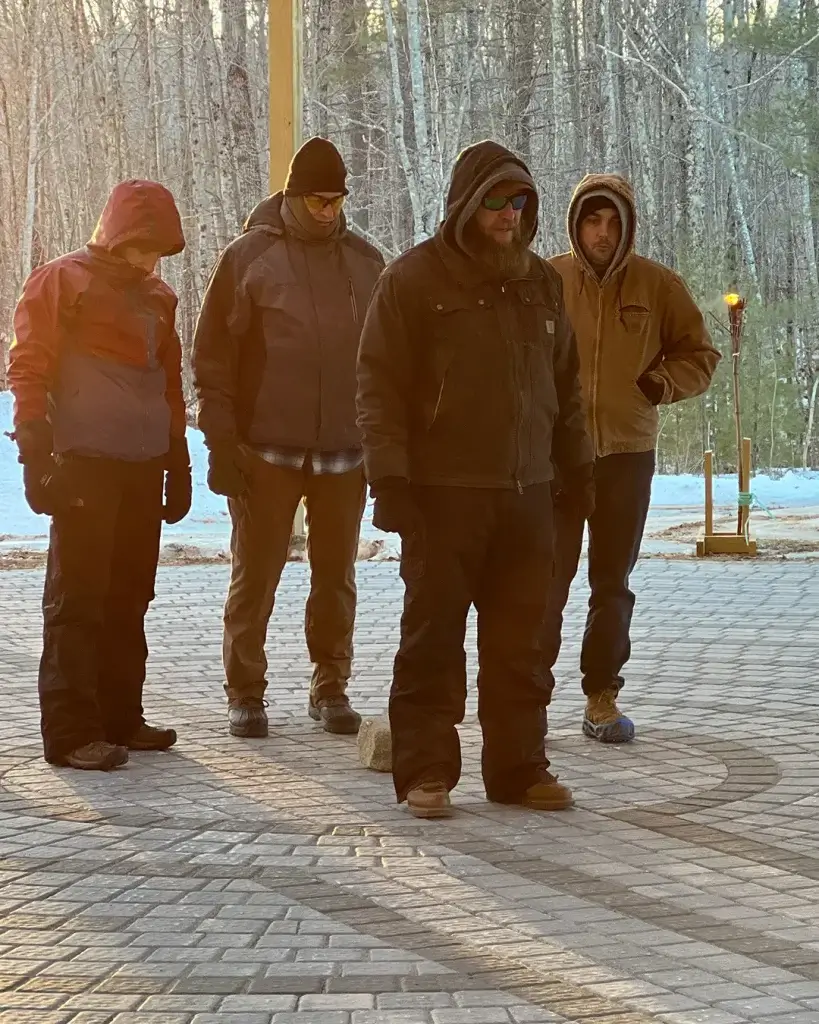
The program begins with an immersive, all expenses paid week at the Travis Mills Foundation in Maine, where participants step away from their daily environments and focus entirely on growth, reflection, and connection.
After that week, the journey continues through 90 days of virtual coaching and ongoing brotherhood, helping participants maintain momentum and build lasting change.
Why PATHH Works
One of the most powerful aspects of PATHH is who leads it.
The Guides are not clinicians.
They are veterans, first responders, and warriors who have faced post-traumatic stress in their own lives and now help others navigate their path forward.
That shared experience creates an environment where participants don’t need to explain their background or justify what they’ve been through.
They’re surrounded by people who understand.
And that understanding builds trust, connection, and growth.
Holding Onto One Word: Hope
For Adam, the experience was life-changing.
When he left the program, one word stayed with him.
“When I left PATHH, I held onto one word: hope.”
For the first time in years, Adam began rediscovering parts of himself that had been buried under the weight of his experiences.
“Since then, I’ve found purpose, peace, and emotional connection again.”
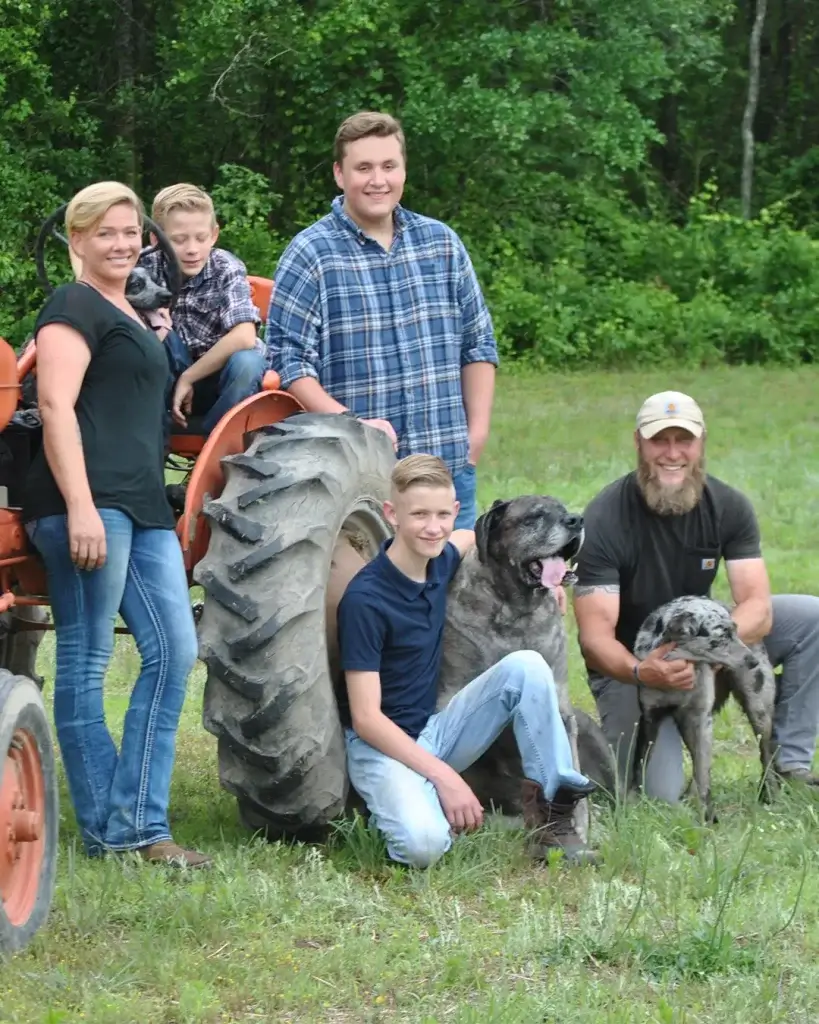
The transformation didn’t just impact him—it impacted his family.
“My wife told me: ‘I finally have my husband back.’”
Turning Struggle Into Strength
Today, Adam continues his own healing journey while helping others begin theirs.
He now serves as a PATHH Guide at the Travis Mills Foundation, using his experience to help fellow veterans and first responders navigate their own path forward.
Having lived through the struggle himself, Adam works alongside other Guides to help participants turn struggle into strength.
It’s a mission rooted in shared experience, trust, and the belief that growth is possible—even after years of carrying the weight of trauma.
Take the First Step
For veterans and first responders searching for a new path forward, Adam’s story is proof that change is possible.
PATHH offers an opportunity to reconnect, rebuild, and rediscover purpose.
Learn more or apply here: https://www.travismillsfoundation.org/pathh/