
When A.J. Mohammed was injured in an explosion in Iraq in May 2004 while serving in the Navy, he suffered a spinal cord injury, a traumatic brain injury, facial reconstruction, and the loss of his sight.
In many ways, he also lost a sense of who he once was.
After a four-year recovery, he refers to the years from 2008 to 2014 as the proverbial dark years.
“It took a long time for me to come to terms with the fact that I was blind and that my life was going to be very co-dependent,” he said. “It’s very hard to grasp as a young man – I got injured when I was 24. Your independence, your goals, your whole life is turned on its head.”
“It took quite a few years for me to figure out who is AJ? Who am I going to be? What am I going to be? What can I do?”
In addition to his physical injuries, AJ experienced survivor’s guilt, anxiety, and depression.
For years, AJ turned down opportunities from veteran nonprofit organizations.
“I wasn’t ready yet,” he said.
However, after meeting his future wife, Grace, he attended his first adaptive sports camp in 2015, igniting a passion AJ didn’t know he had. Thanks to organizations like the Travis Mills Foundation, AJ not only competes regularly in adaptive sports but also serves as a mentor to others who face similar challenges.
The Power of Adaptive Sports
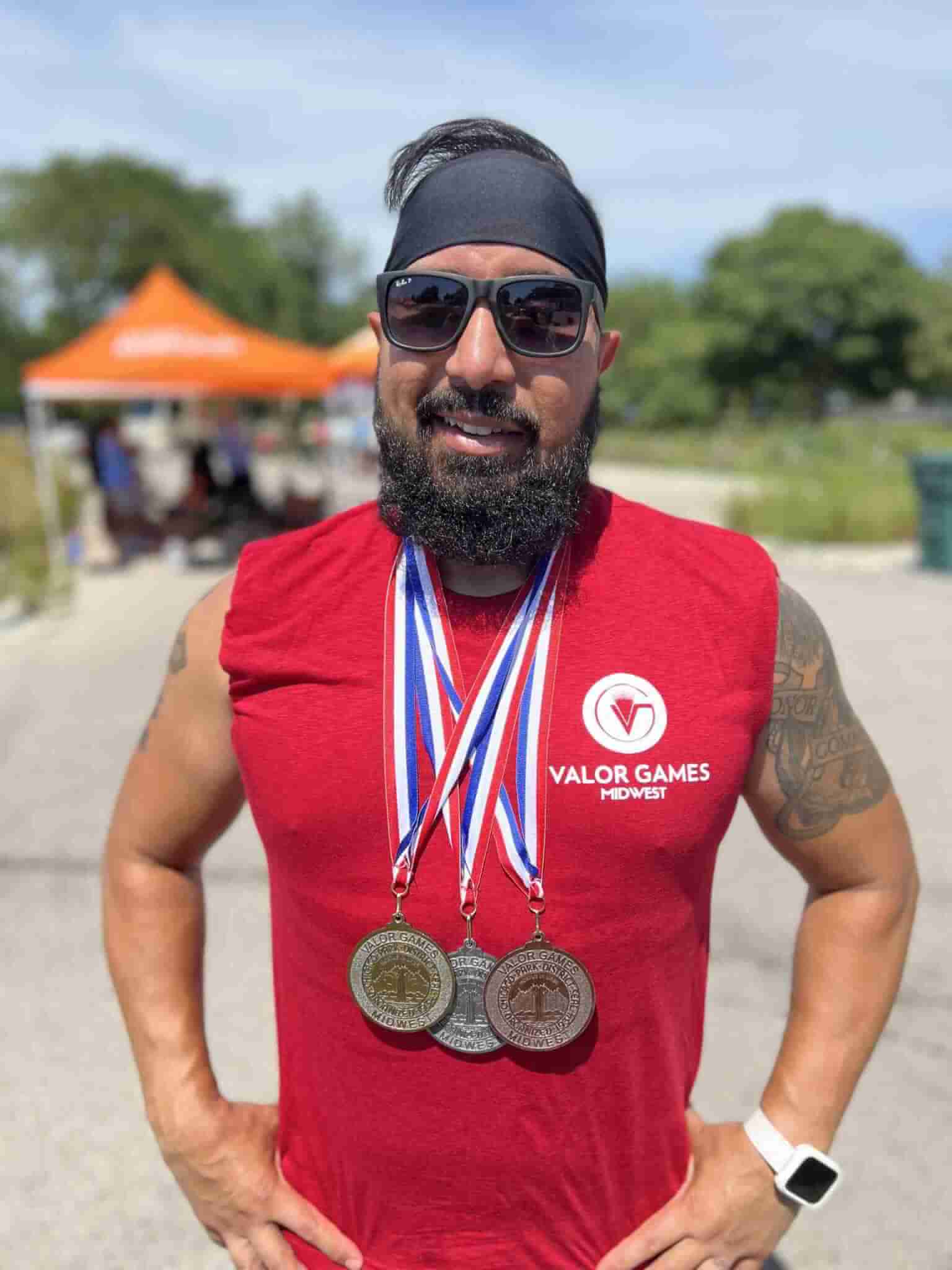
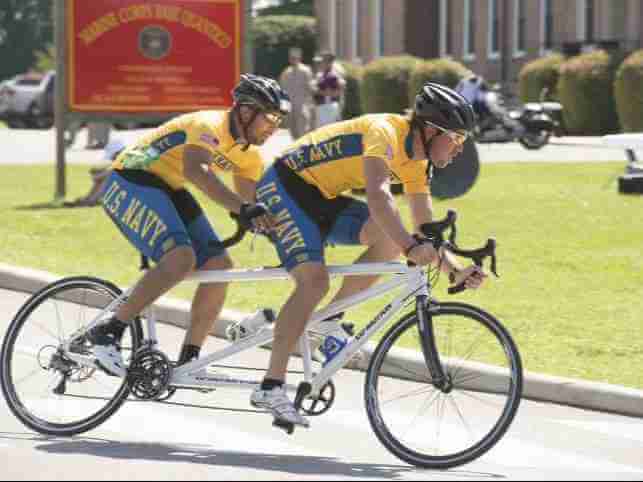
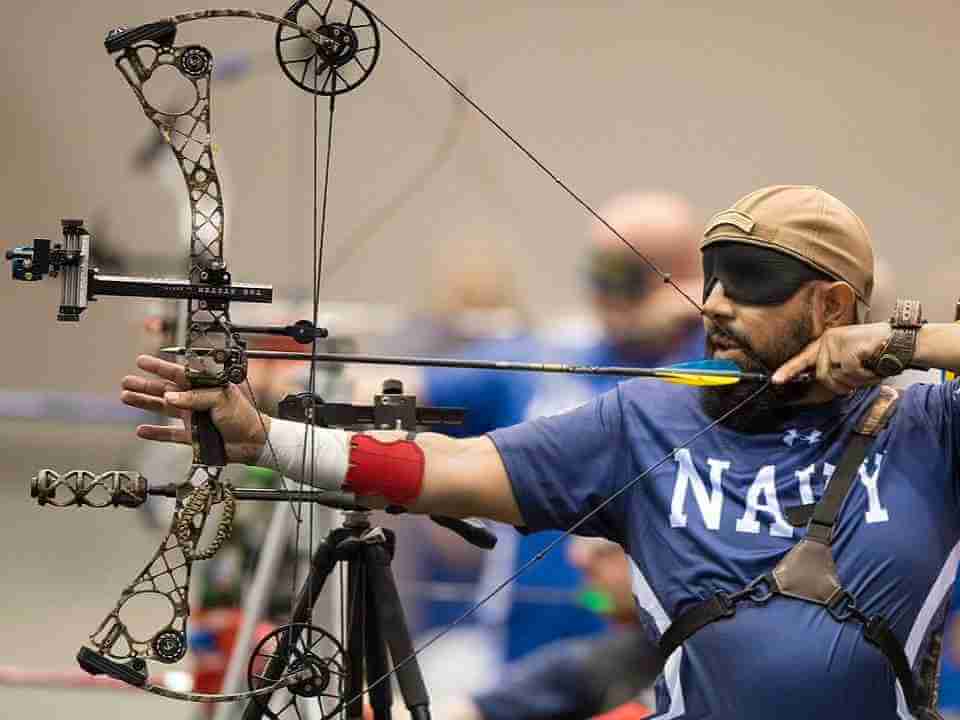
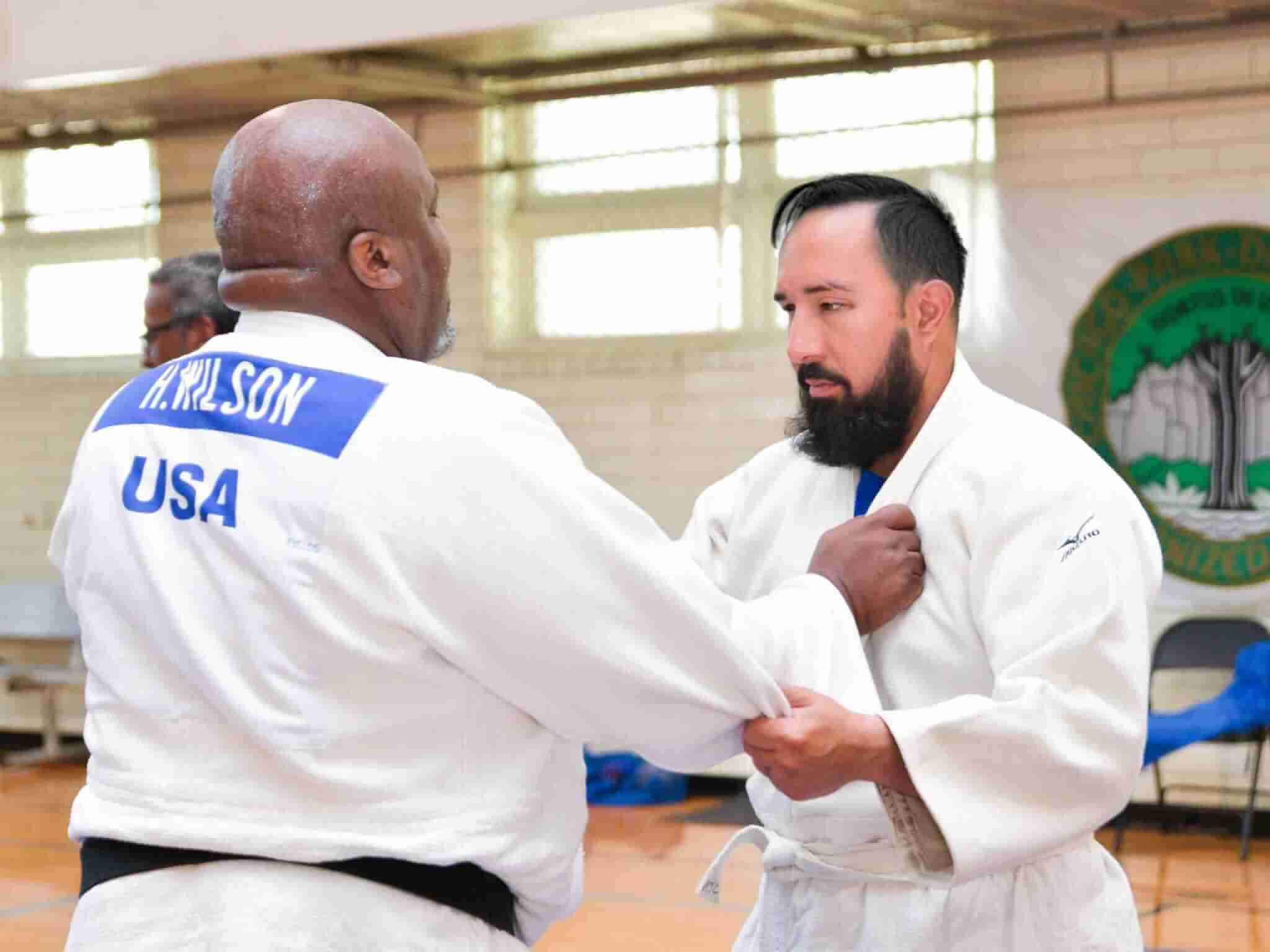
AJ’s first experience with adaptive sports was with the Warrior Games through the Navy Safe Harbor Foundation.
“It turned out to be the best thing that ever happened to me post-injury – to be amongst a community of other disabled veterans, other veterans who were like me, or had been like me,” he said.
“It was also the scariest thing I’ve ever done,” he added.
Disabled athletes from all levels attended the program.
“I got to witness all the stages of recovery in one room,” AJ said. “It was phenomenal.”
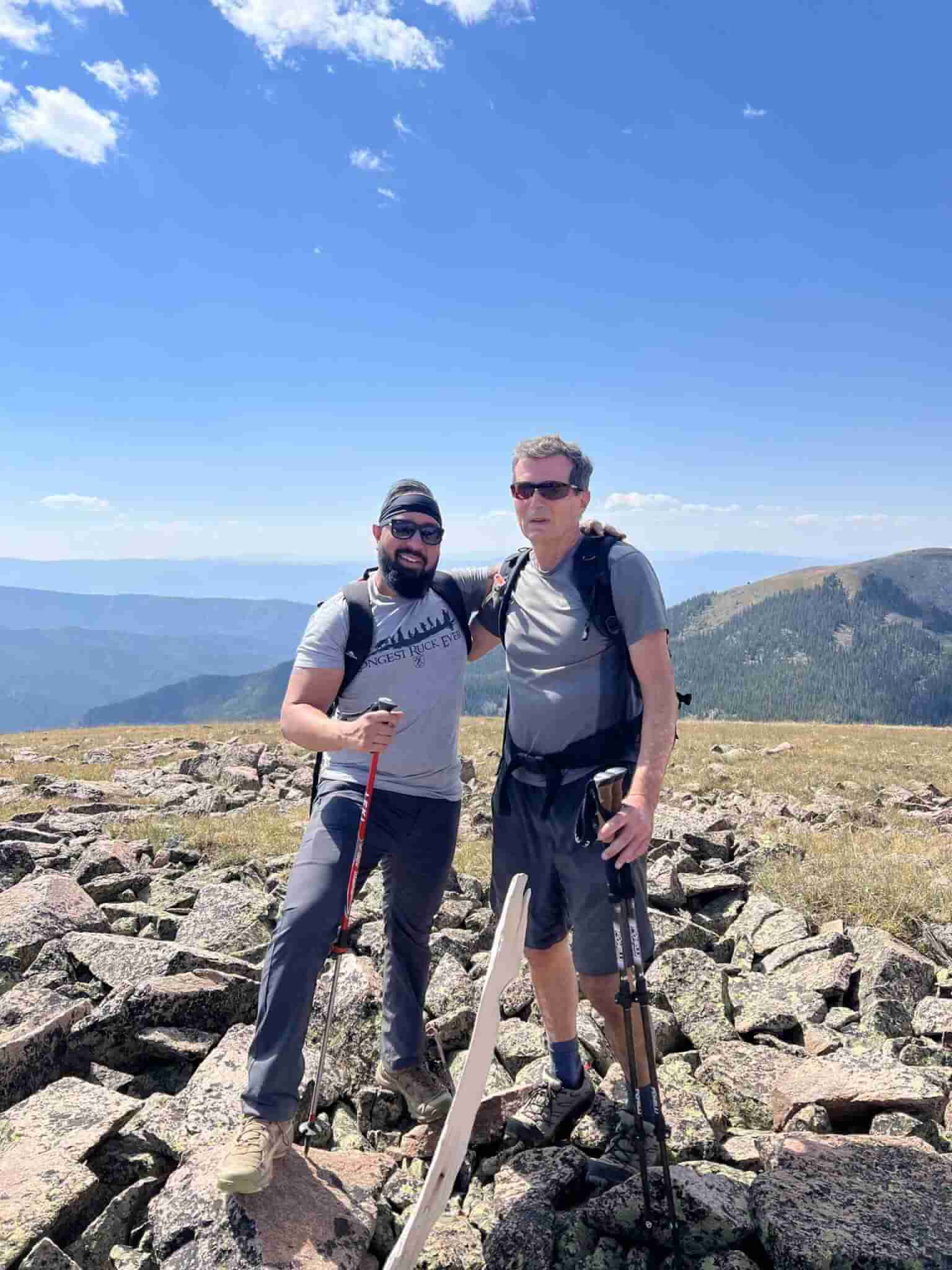
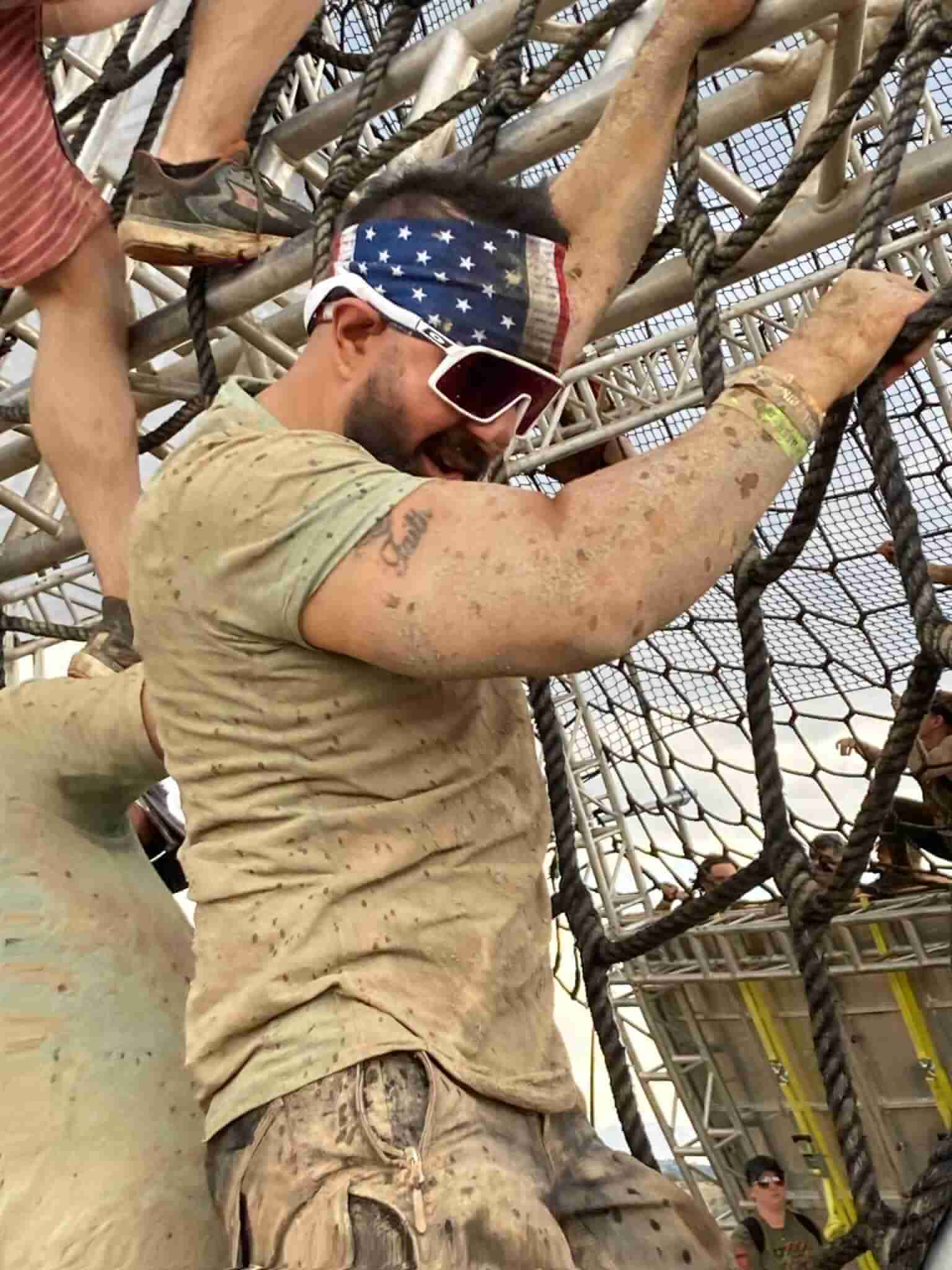
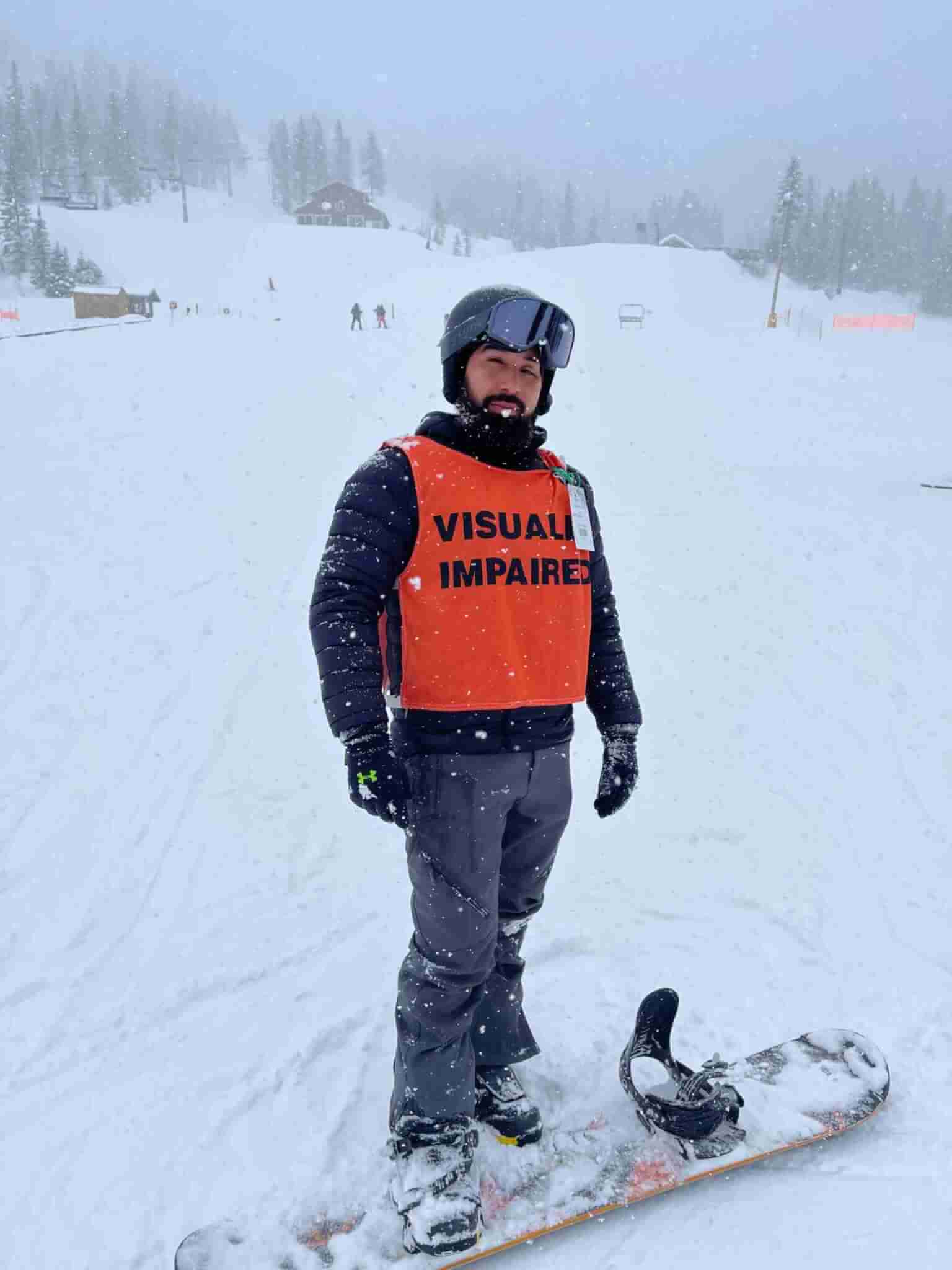
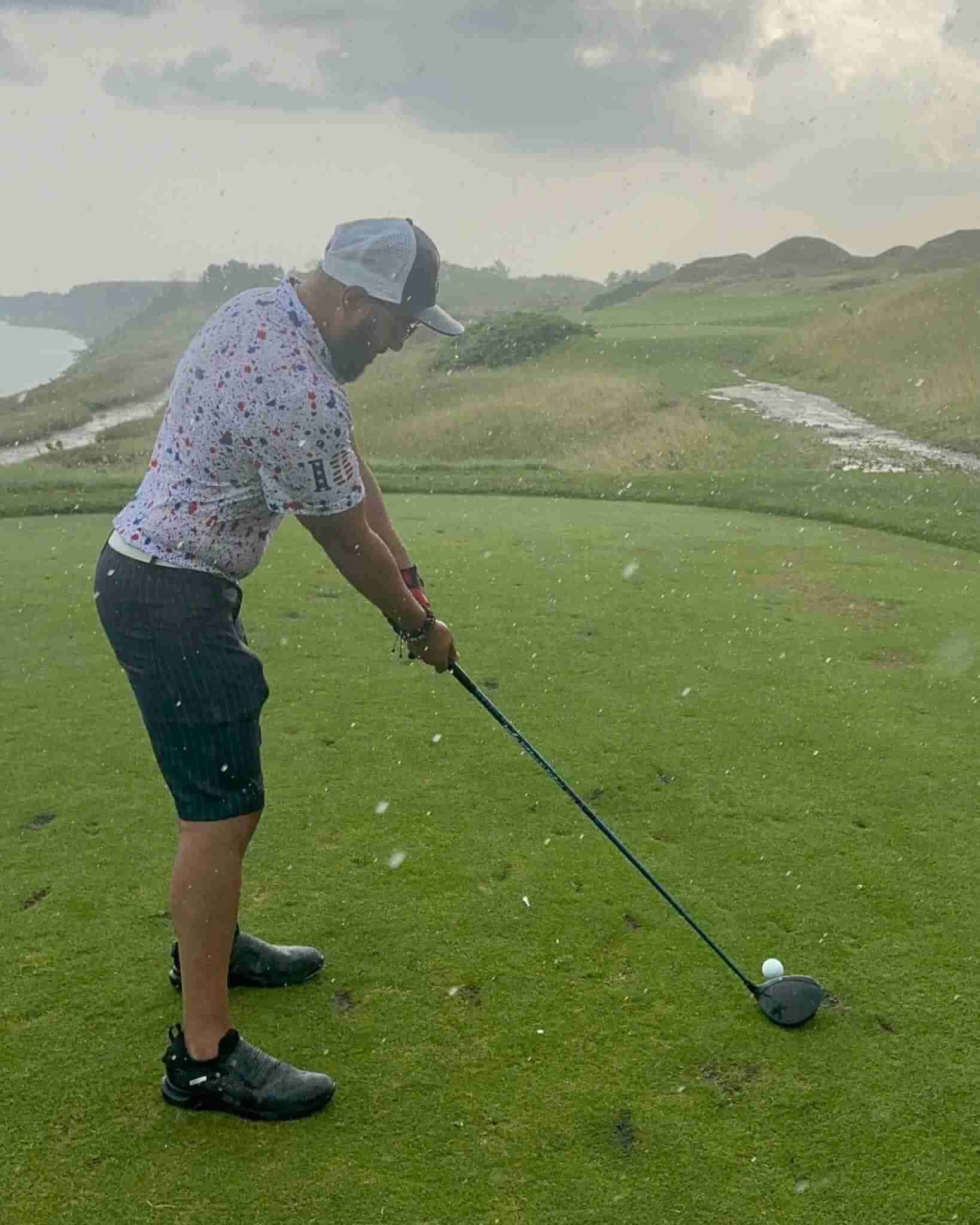
To date, AJ has participated in a wide range of sports camps, competitions, and activities, including white-water kayaking in Class 3 rapids on the Colorado River, completing a Tough Mudder alongside five other blind participants, and pursuing his passion for golf through various PGA programs.
“It’s been quite a journey,” he said. “It’s produced who I am now.”
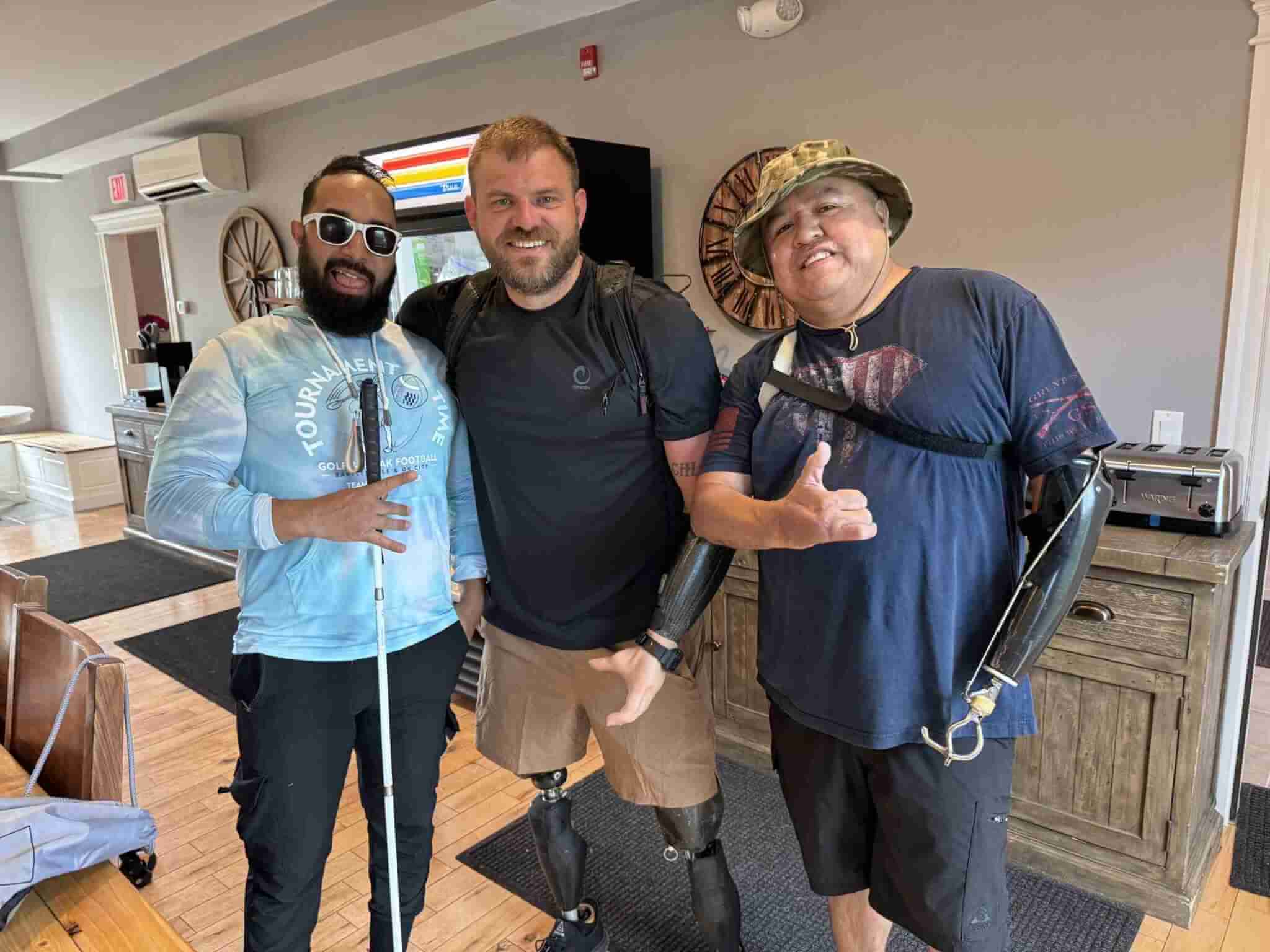
Programs with PGA Hope and Next18 have also given AJ the opportunity to share his story and mentor fellow veterans and first responders, fostering both a love for golf and a sense of fellowship.
“Our traumas may be different, but our journeys into recovery seem to be the same,” he said.
As an ambassador for Next18 and mentor with PGA Hope, AJ appreciates the opportunity to attend events and raise awareness of the importance of veterans organizations.
“I remind people, yes, the war is over. Yes, the country is technically at peace, but support for veterans should not be overlooked,” he said. “What would happen to me if that support weren’t there?”
“It took me nearly seven years to stick my hand out of that proverbial darkness, asking for help, looking for help,” AJ added. “And there was a hand to pull me out. There are going to be guys and gals who are just coming out of that darkness who left Afghanistan in 2017 or 2018 and who are still going through what they need to go through in order to find peace. When they reach their hand out, is anybody going to be there?”
Mentorship
When AJ reflects on the fellowship formed through the adaptive programs he attends, one young man, in particular, comes to mind.
“MH” a Wisconsin resident and veteran, tried to take his own life with a shotgun and survived. MH was also blind and went through the gambit of surgeries that AJ underwent. They met at MH’s first adaptive sports camp.
“He was supremely out of his element,” AJ said. “He was quiet and reserved. His mother had to call and check in on him; it was the first time in a new environment being by himself. He had been very isolated.”
AJ describes himself as “full of jokes.”
“If I’m not making fun of you, you should be worried,” he said, laughing.
Sitting in the team van on the second day of camp, from a couple of rows back came a witty retort to a joke that AJ told.
“After that moment, he started participating in conversations, talking smack and firing back – he became very comfortable,” AJ said. “For me, it was a turning point in participating in somebody else’s transition. It’s something I’ll remember forever. He participated more and it turned out that he didn’t need to call his mom on the last couple of nights.”
MH now participates in adaptive sports competitions.
“He’s very strong and athletic,” AJ added.
“What he did was serious, yes. What I went through was very serious, but to travel the road of recovery and acceptance, you kind of have to find the humor in order to move on,” he said, adding, “I’m not taking full credit, but I like to think that I was there to bear witness to somebody who had the same flame, the same ignition as when I went to my first adaptive sports camp.”
The Travis Mills Foundation
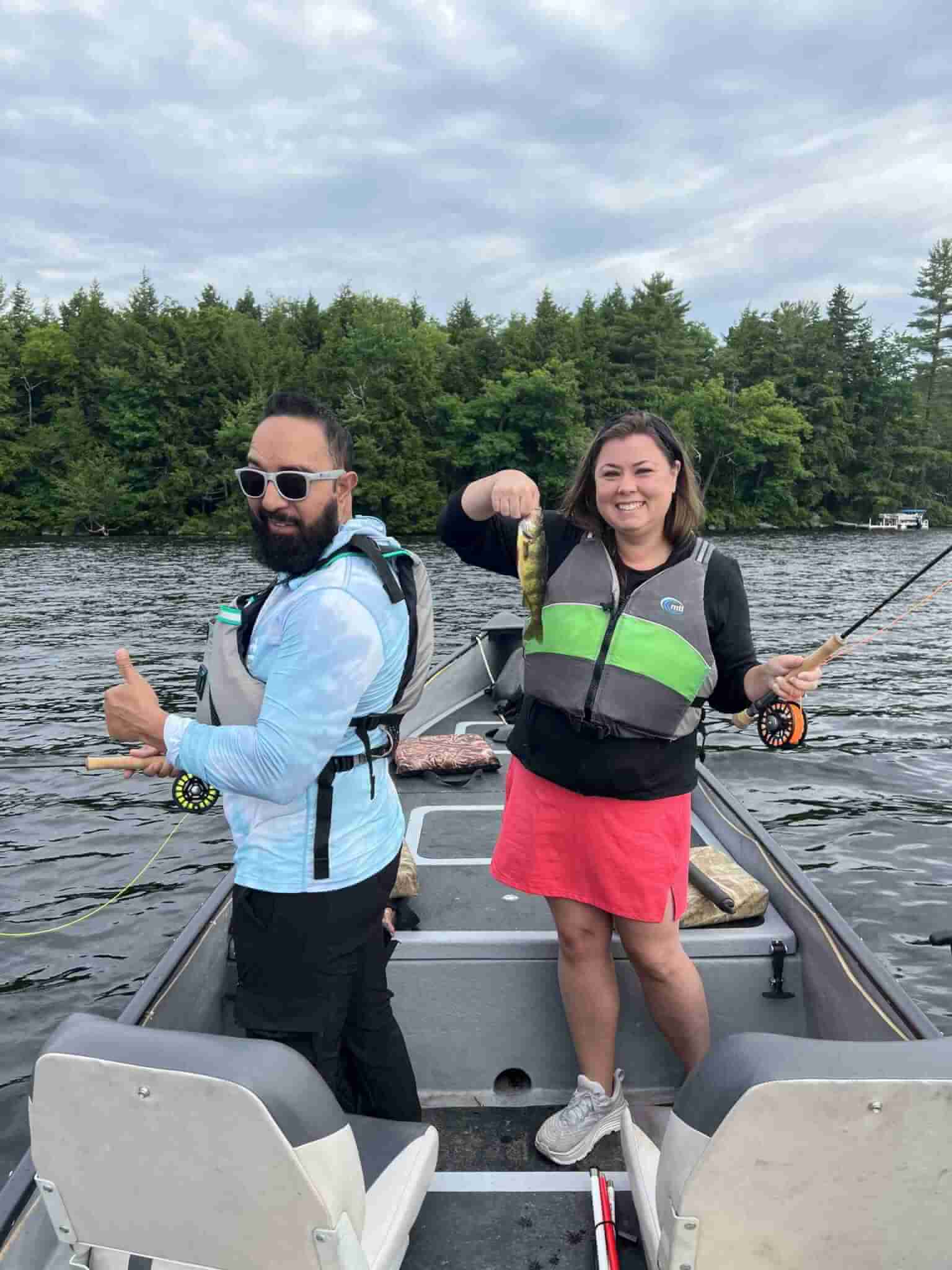
During their visit to the Travis Mills Foundation in July, AJ and his wife Grace embraced the chance to rest and recharge. In fact, they considered it a pseudo honeymoon as theirs was canceled when AJ attended the Warrior Games in 2015.
Grace said it’s not common for a veteran nonprofit to incorporate spouses into programming, even when they’re the veteran’s primary caregiver. In 2024, the couple made a deliberate commitment to spend more quality time together. When they discovered the Travis Mills Foundation Veterans Retreat, which offers a week-long experience for the entire family, they knew it was exactly what they needed.
“It allowed us to have ‘just us’ time,” AJ said.
“The setting was beautiful and the staff were amazing,” Grace said. “Everything was taken care of and I could turn down the dial of being a caregiver.”
They also connected with other recalibrated families, forming bonds that have lasted beyond their stay in Maine.
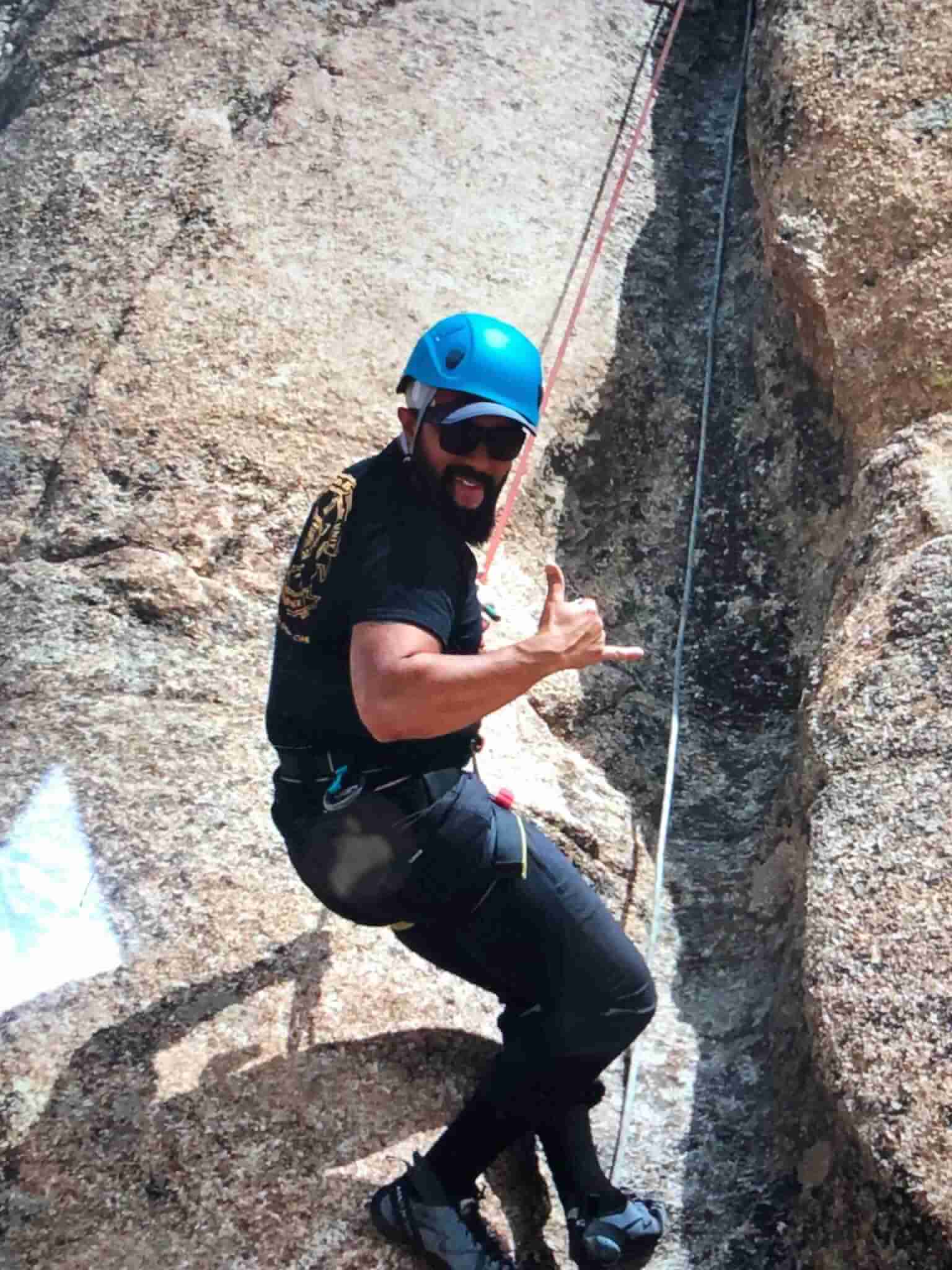
AJ and Grace will always remember conquering the high ropes course at the Retreat. Initially, Grace served as AJ’s eyes, guiding him through the first part of the course. But it wasn’t long before AJ found his footing and pushed forward confidently, with TMF staff coaching him through each level.
“The entire experience came at a very integral part of the year and in our lives,” AJ said. “It’s what we needed.”